Aeration and Overseeding: The Fall Lawn Fix Indiana Yards Need
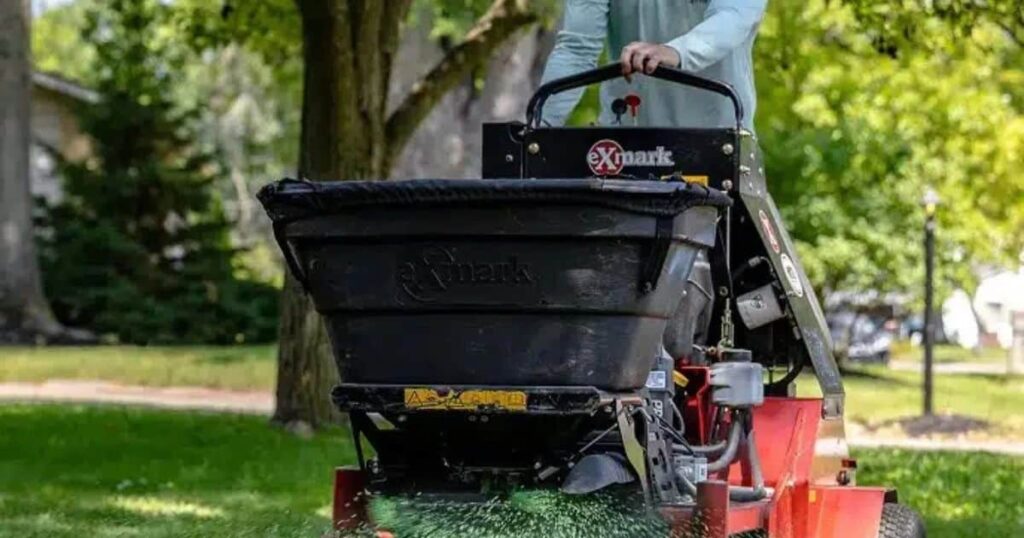
Ever stick a screwdriver into your lawn and hit a wall? That’s compacted soil, and aeration and overseeding are the one-two punch that fixes it, which is why your grass looks tired no matter how much love you give it.
September is prime time in Indiana, so let’s walk through why it works and how to do it right.
Why Your Lawn Gets Tired
Compaction Is the Quiet Culprit
Kids, dogs, mowers, and heavy rain all press the soil down year after year. Compacted soil leaves little room for air, water, and nutrients to reach the roots. Grass in that soil is basically trying to breathe through a straw.
Clay Soil Makes It Worse
Much of central Indiana sits on heavy clay. Clay packs down tight, drains slowly, and bakes hard in summer. If your yard puddles after rain and cracks in August, compaction is almost certainly part of the story.
Thatch Doesn’t Help
A thin layer of thatch is normal. A thick, spongy one blocks water and fertilizer. Aeration helps break that barrier up.
What Core Aeration Does
Pulling Plugs, Opening Doors
A core aerator pulls small plugs of soil out of the lawn. Those little holes let air, water, and nutrients move down where roots can use them. You’ll see the plugs scattered on top afterward. Leave them. They break down in a couple of weeks.
Not All Aeration Is the Same
Some lawns do better with liquid products. We’ll compare them in another post, but you can see both options on our core aeration and liquid aeration pages.
Why Overseeding Comes Next
Fill the Gaps Before Weeds Do
Bare spots don’t stay bare. Weeds move in fast. Overseeding spreads fresh grass seed across the lawn to thicken it up and crowd out unwanted guests.
Seed Meets Soil
Here’s where aeration earns its keep. Those open holes give seed a protected spot to land, stay moist and sprout. Seed tossed on hard, bare ground blows away or gets eaten.
Why September Beats Every Other Month
Warm Soil, Cool Air
Cool-season grasses like tall fescue and Kentucky bluegrass love the combination of warm soil and cooler nights. Seeds germinate quickly, and young plants get a long stretch of mild weather to establish before winter.
Fewer Weeds Competing
Most weeds slow down in fall, so your new grass gets less competition than it would in spring. Read more about overseeding on our site.
Your Aeration and Overseeding Game Plan
Step One: Mow Short and Clear the Debris
Mow a bit lower than usual a day or two before. Pick up sticks and leaves so the aerator and seed can reach the soil.
Step Two: Aerate in Two Directions
Pass over the lawn in more than one direction for better coverage, especially on heavily compacted areas.
Step Three: Spread Seed Right Away
Apply seed while the holes are fresh. Choose a mix suited to your sun and shade conditions. A sunny front yard and a shady back corner often need different blends, so don’t assume one bag fits the whole property.
A Word on Seed Quality
Cheap seed often contains filler and weed seed. Look at the label and skip anything with a long list of “other crop” or “inert” material.
Step Four: Water Like It’s a Newborn
New seed needs to stay evenly moist, which usually means light watering once or twice daily until it sprouts. Skip the heavy soak. Puddles wash seed away.
Aftercare Tips That Pay Off
Keep foot traffic off the lawn for a few weeks. Hold off on mowing until the new grass reaches about three inches. Follow up with a starter-friendly lawn fertilization plan to feed those young roots. And don’t be alarmed if the lawn looks a bit rough for a couple of weeks. That’s normal. Fewer bare spots also means less crabgrass next spring, so it ties in nicely with weed control. Think of aeration and overseeding as an investment that pays you back for years, not a one-weekend chore.
Final Thoughts: A Thicker Lawn Starts in the Fall
Great lawns aren’t built in spring. They’re built now, with open soil and fresh seed. If you’ve watched your grass thin out year after year, aeration and overseeding is the move that finally turns it around.
Turf Kings works with homeowners across Carmel, Fishers, Zionsville, and the surrounding Indianapolis area to bring tired lawns back. Our team can look at your yard and suggest the right plan for your soil and sunlight. Call (317) 593-6319 / 317-648-7631 or request a free quote to get on the fall schedule.
Do it now, and you’ll be mowing a thicker lawn by spring.