Bluegrass vs. Tall Fescue: Which Fall Seeding is Best for Your Indiana Lawn?
Walk into any Indiana neighborhood, and you’ll see a patchwork of green shades. That’s not an accident. Different grasses live there, and picking the right one changes everything.
If fall seeding is on your mind, here’s the plain-English breakdown of bluegrass vs. tall fescue.
Fall Seeding: Bluegrass vs. Tall Fescue
- Bluegrass: The Showpiece
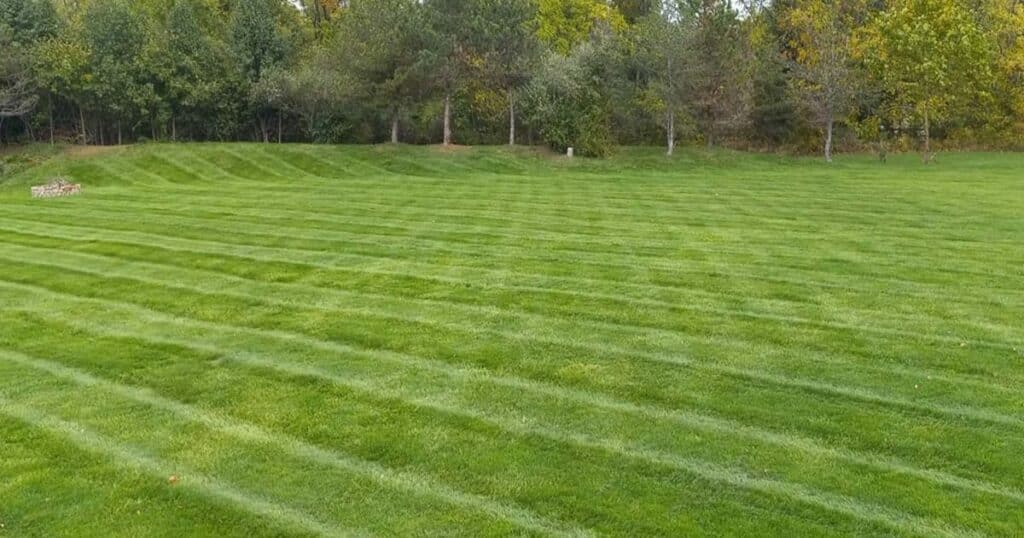
Bluegrass gives you that rich, dense, carpet-like look people love. It spreads through underground stems called rhizomes, so it can slowly fill its own bare spots over time.
The Catch
It’s slow to germinate, often taking two to four weeks, and it likes full sun and steady moisture. It’s a bit of a diva in dry summers.
- Tall Fescue: The Tough One
Fescue has coarser blades and deeper roots. It handles heat, foot traffic, and dry spells with less drama than bluegrass.
The Catch
It grows in clumps rather than spreading, so thin areas need seed to recover. Patience helps, but seed helps more.
Matching Grass to Your Yard
- Sun-Soaked Front Lawns
Bluegrass truly shines in sun-soaked areas. With full sunlight, proper irrigation, and regular feeding, it creates that magazine-quality look many homeowners desire. Partnering with a reliable lawn care company can help ensure your bluegrass thrives, making your front lawn the envy of the neighborhood.
- Shady Backyards Under Mature Trees
When it comes to shady areas, tall fescue has the upper hand. It tolerates shade better than bluegrass, making it a wise choice for lawns shaded by mature trees. However, in heavy shade, even the hardiest turfgrass struggles. A lawn care services professional can help determine if a mix of grasses or even alternative ground covers may be necessary to achieve the desired look.
- High-Traffic Play Areas
For high-traffic play areas, where kids and dogs wear down lawns, both fescue and bluegrass have their advantages. Fescue’s durability combined with bluegrass’s ability to self-repair creates a resilient lawn. Consider enlisting a residential lawn care service to maintain both types effectively, ensuring your yard remains lush and inviting throughout the year.
- Low-Maintenance Goals
If low-maintenance lawn care is your goal, tall fescue is the more forgiving option for those occasional missed waterings. Conversely, if you relish achieving a dense and visually appealing lawn and don’t mind extra care, bluegrass rewards dedication. For residents seeking affordable lawn care solutions, a mix of these grasses may provide the best of both worlds, balancing aesthetics and ease of upkeep.
By integrating professional pest control services, you can also protect your lawn from potential threats, ensuring that both bluegrass and tall fescue can thrive in a healthy environment.
Why Blends Often Win on Bluegrass vs Tall Fescue
- Best of Both Worlds
Most Indiana lawns are really mixes. A blend spreads the risk. If heat hits one grass hard, its neighbor can carry the load.
- Ask What’s Already There
Before overseeding, find out what you have. Seeding fescue into a bluegrass lawn, or vice versa, can leave a patchy two-tone look.
- Don’t Forget Perennial Ryegrass
You’ll often see ryegrass in seed blends because it sprouts quickly and gives fast cover while slower grasses catch up.
Lawn Care for Each Fall Seeding Type
- Mowing Height
Both like to be kept tall, roughly three inches or a bit more. Tall grass shades soil and chokes out weeds.
- Watering
Bluegrass tends to need steadier moisture in summer. Fescue’s deeper roots help it go longer between waterings.
- Feeding and Seeding
Fall is prime time for both. Learn more about our overseeding service and how core aeration helps seed settle in.
Fall Seeding Checklist
- Start With a Soil Check
Know your pH and nutrient levels before you seed. Good seed in bad soil rarely thrives.
- Aerate First
Seed lands in open holes and sprouts better than seed tossed on hard soil.
- Water Lightly and Often Until It Sprouts
New seed needs steady moisture. After sprouting, shift to deeper, less frequent watering.
How to Tell Which Grass You Have
Bluegrass Clues
Look for fine to medium blades with a boat-shaped tip, a dense carpet effect and a tendency to spread sideways to fill gaps.
Fescue Clues
Fescue blades are wider and coarser, and the plant grows in bunches. Dig a plug and you’ll notice thick, deep roots.
Not Sure? Here’s What To Do
Take a clear photo of a few blades and a root plug, or have a lawn technician look at your yard. Knowing your starting point makes every seeding decision easier.
Common Seeding Mistakes to Avoid
- Seeding Too Late
Seed needs warm soil and time to establish before winter. Waiting until November leaves tender seedlings exposed to the first hard freeze.
- Skipping Soil Contact
Seed scattered on top of thick thatch or hard ground rarely sprouts. Aeration or light raking gives it somewhere to land.
- Letting It Dry Out
A few dry, windy days can wipe out a week of progress. Keep the top layer of soil damp until the seedlings take hold.
Quick Answers
Which Grass Is Better for Indiana?
Neither wins every time. Bluegrass suits sunny, well-watered yards; fescue suits shade, drought, and heavy use. Many yards do best with both.
Can I Mix Grass Types?
Yes, and many professional seed blends do. Just match the blend to your sun and traffic.
Final Thoughts
There’s no single best grass, only the best one for your yard. If you’re not sure what’s growing under your feet, we’ll help you figure it out.
Call Turf Kings at (317) 350-1737 or request a fast quote for a seeding plan built around your lawn.
When it comes to your lawn, there isn’t a one-size-fits-all solution; instead, it’s about finding the best type of grass for your specific yard.
If you’re uncertain about what’s currently growing beneath your feet, we’re here to assist you. As a trusted lawn care company, Turf Kings offers a range of lawn care services tailored to meet your needs, including affordable lawn care solutions for residential properties in Carmel, IN, or surrounding areas like McCordsville and Noblesville
Plus, if you’re facing pest issues, our professional pest control services will keep your lawn healthy and thriving. For personalized assistance, call Turf Kings at (317) 350-1737/(317) 593-6319 or request a fast quote for a seeding plan designed specifically for your lawn